
Types of Refrigerators and Their Benefits
Fri Nov 21 2025
- Refrigeration
When it comes to upgrading your kitchen, choosing the right refrigerator isn’t just about aesthetics, it’s about functionality, convenience, and how you live every day. Whether you’re prepping meals for a family of five, storing heavy platters for gatherings, or just running in and out for snacks, the right fridge can make a big difference. At Howard’s, our goal is to help you make the right choice for your home, lifestyle, and budget.
In this guide, we’ll walk through the main styles of refrigerators available, explain the benefits of each, and help you decide which might be the best fit for your space.
Why Choosing the Right Refrigerator Style Matters
Your refrigerator is one of the hardest-working appliances in your home, it’s in constant use, every day, often multiple times. That means selecting the proper style isn’t just about looks. It’s about:
-
Accessibility: how easy it is to reach the stuff you use most
-
Footprint & fit: how it fits your kitchen’s space and design
-
Capacity & organization: how much you can store and how well it’s organized
-
Features & performance: such as ice/water dispensers, smart tech, or energy efficiency
-
Lifestyle match: whether you entertain often, cook big meals, or have limited space
Let’s dive into each refrigerator type, describe its benefits, and help you see where it might fit in your home.
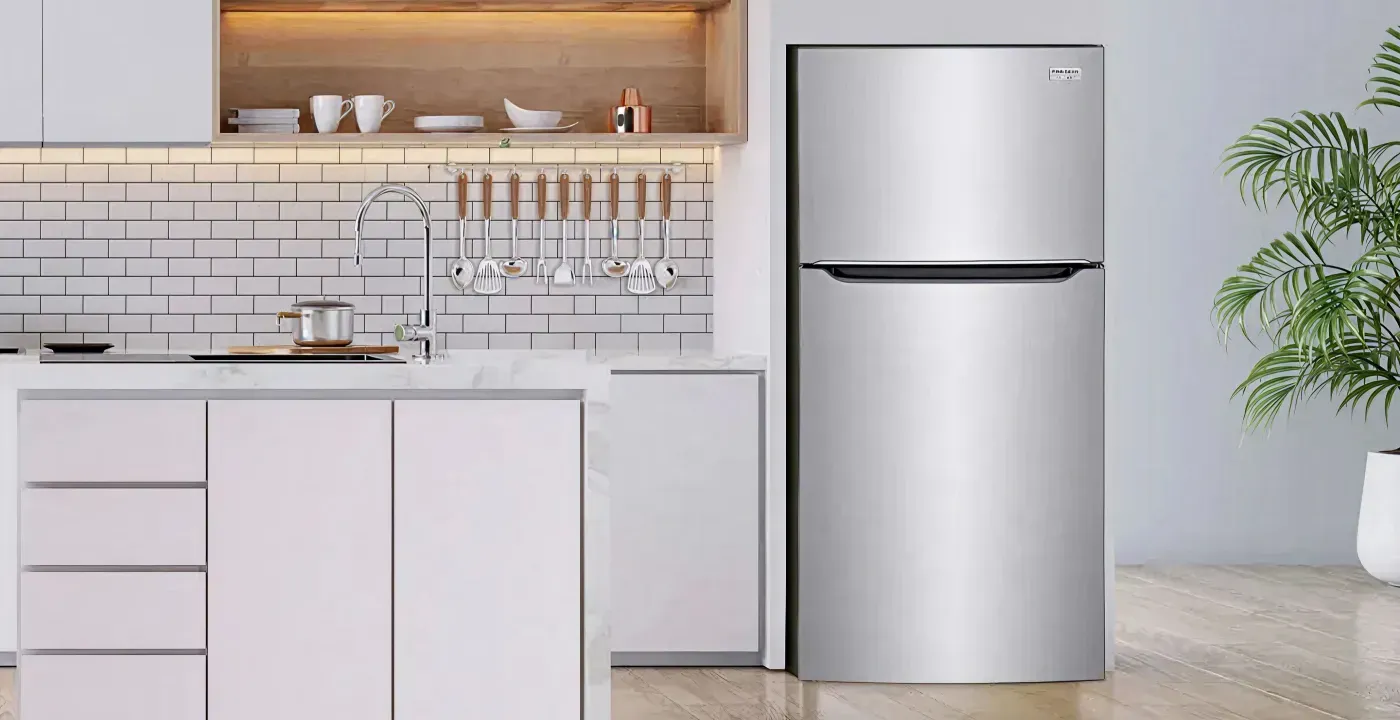
Top Freezer Refrigerators
Top freezer refrigerators are commonly referred to as the “traditional” refrigerator style, where the freezer compartment is located at the top, and the fresh-food fridge section is underneath.
Benefits
-
Affordability: Among the most cost-effective choices in refrigeration styles.
-
Generous capacity for size: Because of their simpler construction, these units often offer good storage for the dollar.
-
Simple and reliable: Less complication in design means fewer things to go wrong.
-
Space-friendly: Works well in smaller kitchens, apartments, or as a secondary unit (garage, basement).
Considerations
-
The freezer is at eye level (or higher), which is fine for many, but if you access frozen items more than fridge items, it could be less convenient.
-
Features like advanced tech, smart connectivity, or large capacity ice/water dispensers are less common in this style.
-
If partake in regular large-meal cooking or entertaining, you might quickly outgrow the simplest model.
Is it right for you?
If your household is small to mid-sized, you value simplicity and budget, and you’re fine with a traditional layout, a top-freezer could be a smart, practical pick.
Bottom Freezer Refrigerators
Bottom freezer units flip the usual layout: the freezer is at the bottom, typically as a drawer, while the fridge section is elevated.
Benefits
-
Better accessibility for fresh-foods: Since the fridge section is raised, it’s easier to view and reach frequently used items.
-
Organized freezer storage: The bottom drawer design often means fewer items get lost at the back or under shelves.
-
Still budget-friendly: While sometimes slightly more costly than top freezer units, many bottom freezer options offer good value.
-
Ideal for everyday use: If you access refrigerated items more often than frozen ones, this layout reduces bending.
Considerations
-
The freezer still might require bending or reaching, depending on drawer design and placement.
-
If you regularly store huge frozen items or host large gatherings, check the freezer capacity.
-
As with top-freezer models, high-end features may be less common compared to premium styles.
Is it right for you?
If your daily routine revolves around refrigerated items, you want better ergonomics, and you still aim for budget-friendliness, a bottom-freezer is a strong choice.
Side-by-Side Refrigerators
In side-by-side fridges, the refrigerator section and freezer section sit next to each other vertically, typically with equal or near-equal width.
Benefits
-
Convenient access to both fridge and freezer: Both compartments are at eye/waist-level, making it easy to view contents.
-
Narrow doors: Require less clearance to open, making them suitable for tighter kitchen spaces.
-
Many features available: Water/ice dispensers and smart features are common features available in this style.
-
Good organization: Vertical compartments make it easier to separate frozen and fresh sections cleanly.
Considerations
-
Narrow shelf widths: Because of the vertical split, wider items (like large baking sheets or wide platters) may be harder to accommodate.
-
Width of unit: While doors might be narrower, the entire unit can still be wide. Make sure your kitchen space accommodates it.
-
Potential for higher cost: Feature-rich models in this category often carry higher price tags.
Is it right for you?
If you love convenient access to the freezer and fridge, you have regular large-item storage needs, and you don’t mind paying for extra features, a side-by-side might deliver excellent value.
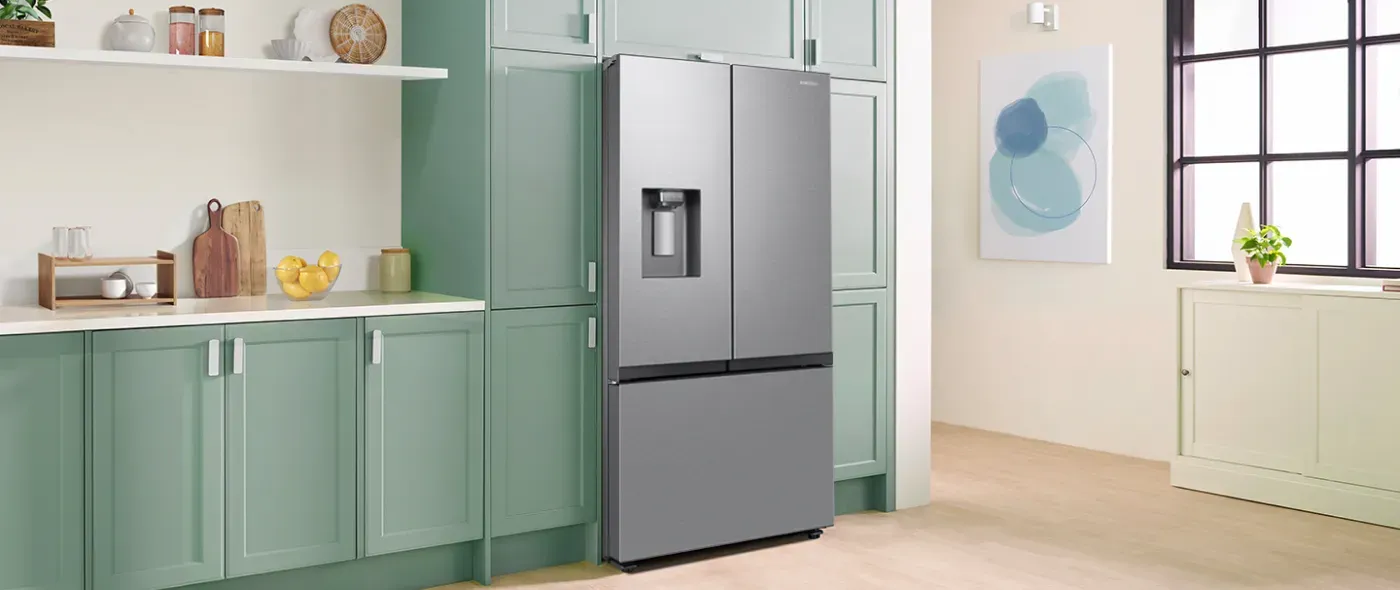
French Door Refrigerators
French door refrigerators combine a split-door fridge section at the top (two side-by-side doors) with a freezer drawer or drawers below.
Benefits
-
Wide storage space: The split doors open to a wide fresh-food compartment, making it easy to store large items like sheet cakes, party platters, and more.
-
Energy efficiency potential: Since you can open just one door at a time, less cold air may escape versus one large door.
-
High-end features: Smart connectivity, built-in dispensers, advanced storage systems, and design-forward finishes are common in this category.
-
Accessibility of fridge items: Most frequent items are at mid-height, which makes them easier to reach.
Considerations
-
Wider footprint: You’ll need enough space for the wide door openings and for the unit itself; tight kitchens might struggle.
-
Higher price-point: With premium features and large size, these tend to cost more.
-
Freezer access: Since the freezer is at the bottom, reaching it may require more bending, something to consider depending on your needs.
Is it right for you?
If your household entertains often, you love tech features, and you have the kitchen space to accommodate it, a French door refrigerator can feel like a modern luxury that delivers everyday value.
Built-In Refrigerators (and Specialty / Freezer Units)
Built-in refrigerators are designed to integrate seamlessly with your cabinetry (often panel-ready), deliver higher performance, and offer premium finishes and capacity. Similarly, specialty units include items like under-counter fridges, wine refrigerators, freezer-only units, or column-style setups.
Benefits
-
Custom fit and finish: Built-in units often flush-mount with cabinetry, creating a seamless look.
-
High performance & capacity: Premium cooling systems, flexible storage, advanced features.
-
Tailored solutions: If you cook often, entertain, or want a second fridge/freezer in a bar, basement, or garage, specialty units provide options.
-
Long-term investment: While the initial cost is higher, these units often provide superior longevity and aesthetics.
Considerations
-
Cost: These are typically premium models.
-
Installation complexity: May require custom cabinetry, professional installation, and proper ventilation clearance.
-
Space planning: Because of the high-end nature, you’ll want to make sure the fit and layout are planned carefully with your kitchen design.
Is it right for you?
If you’re remodeling, designing a high-end kitchen, or want a fridge that blends into cabinetry and delivers top performance, a built-in or specialty refrigeration unit may be the right choice.
Making Your Choice: Key Questions to Ask
Before you commit to a refrigerator, ask yourself these questions to make sure your choice aligns with your lifestyle and space:
-
How much space do I have?
-
Measure width, depth, height; check door swings; verify clearance for ventilation.
-
Think about surrounding cabinets and future layout changes.
-
-
What is my everyday usage?
-
Do you use more refrigerated items or frozen items?
-
Do you entertain frequently, host holidays, or prepare large meals?
-
-
What features matter most?
-
Ice/water dispenser? Door-in-door access? Smart capabilities? Adjustable shelves and bins?
-
Prioritize features that solve your specific pain points (wide-platter storage, easy access shelves, energy savings, etc.).
-
-
What is my budget?
-
Refrigerators vary widely in cost based on size, features, and brand.
-
Consider lifetime cost: energy efficiency, maintenance, and longevity.
-
-
What finish/style fits my space?
-
Do you need stainless steel, custom panel, or fingerprint-resistant finishes?
-
Harmonize with your other appliances (ranges, cooktops, hoods) and your kitchen design.
-
-
Installation & maintenance considerations?
-
What is the ventilation requirement?
-
Are there custom cabinetry or door swing limitations?
-
Plan for delivery and installation logistics.
-
Find the Right Refrigerator Style for You at Howard’s
Upgrading your refrigerator is more than just a purchase; it’s an investment in your daily routines, your kitchen’s workflow, and your home’s comfort. From the classic top-freezer model to the sleek, built-in custom unit, each style offers unique benefits and can be the perfect fit for different households and lifestyles.
Take the time to measure your space, evaluate your usage, and think about the features that matter most to you. Then, explore the diverse refrigeration options at Howard’s and find the model that aligns with your home, design, and life.
Ready to explore? Visit our appliance store locations online today and stop into one of our locations in Laguna Hills, Long Beach, Huntington Beach, La Habra, or the surrounding area today to browse our full refrigeration collection and let our team help you find the perfect fridge for your home.
We are proud to service customers across Southern California with top appliance brands for appliances across your home.
Related readings from our blog:
FAQs: Types of Refrigerators and Their Benefits
What’s the difference between a top freezer and bottom freezer refrigerator?
Top freezer models place the freezer at the top and fridge below and are typically among the most affordable. Bottom-freezer units flip this layout, positioning the refrigerator at a more accessible height and the freezer underneath.
Is a French door refrigerator worth the higher cost?
Yes, if you value wide fresh-food storage, want advanced features, entertain often, or prefer a premium aesthetic. The extra cost often reflects larger capacity and more sophisticated features.
How much space should I allow for my new refrigerator?
Beyond the appliance’s width, height, and depth, you must allow space for door clearance, ventilation (per manufacturer recommendations), and future removal/servicing. Also measure the path from delivery to your kitchen, tight corners or stairs can affect fit.
Can I install a built-in refrigerator myself?
Because built-in units often require custom cabinetry, panel-ready finishes, proper ventilation, and precise installation, it’s highly recommended to use professional installation for fit, warranty, and performance.
What’s the best style for an apartment or smaller kitchen?
For smaller spaces, a top-freezer or narrow side-by-side refrigerator typically fits best due to smaller door swing and lower depth requirements. Always measure and compare cabinet clearance and door openings.
How long can I expect my refrigerator to last?
A well-maintained refrigerator from a reputable brand can last 10-15 years or more. Choosing the right style, size, and features, plus ensuring proper installation and clearance, can help maximize lifespan.
Related Articles